



.svg)

Legal Basement Apartment Cost Toronto: 2026 Price Guide
A "cheap" quote is the most expensive mistake you can make when building a secondary suite in the GTA. You already realize that a rental unit is the...
13 min read
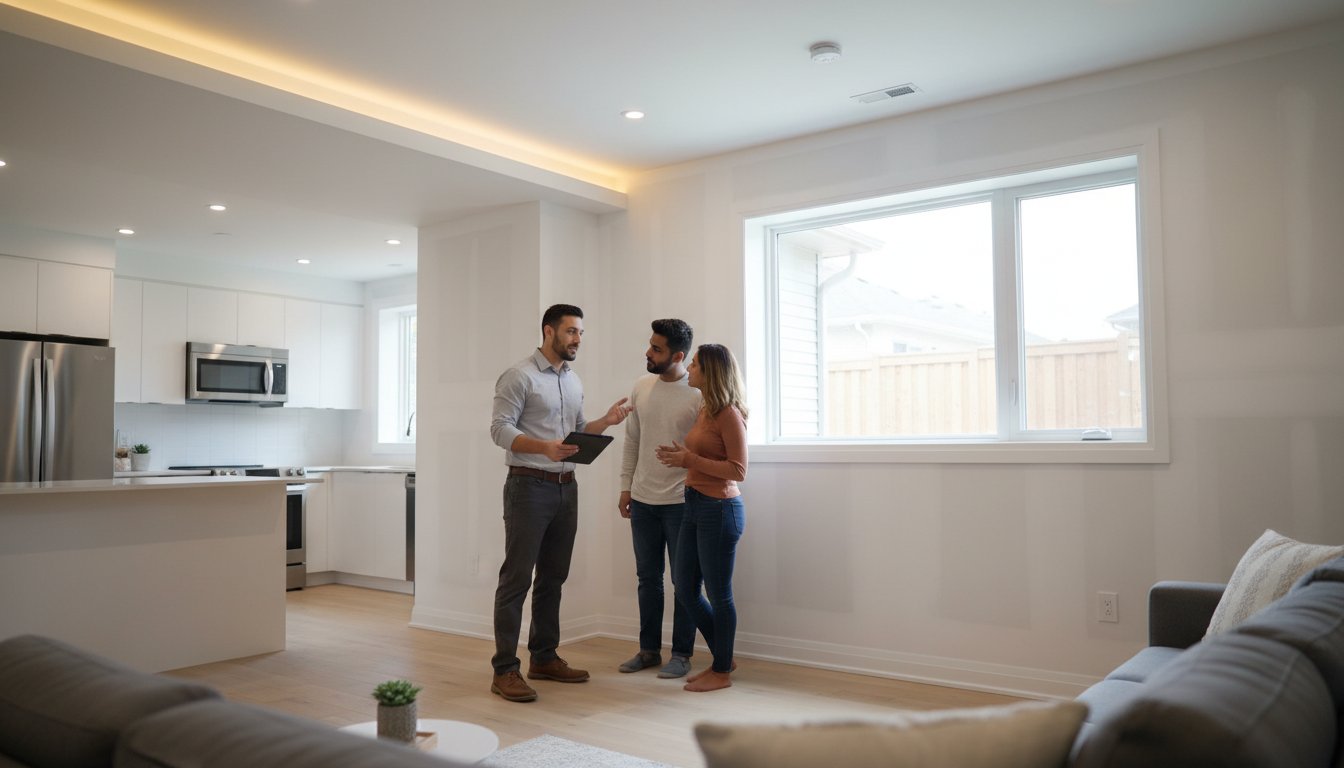
Building a secondary suite without verifying the latest fire regulations is the fastest way to lose C$50,000 in fines and forced remediation. Most homeowners in Oshawa and Pickering find the overlap between the Ontario Building Code and the Fire Code intentionally confusing. It's a common frustration. You're trying to build a legal income stream, but the rules feel like a moving target.
We understand that uncertainty. You will get a clear, no-nonsense breakdown of the basement apartment fire code requirements Ontario demands to keep your investment legal and your tenants safe. We'll cover the exact physical standards for fire-rated drywall, egress windows, and smoke alarms. This guide also outlines the permit process in the GTA to help you avoid the massive liability of an illegal unit. Our process at BCR Basements prioritizes your long-term investment. We don't guess. We use our structured Basement Feasibility Assessment to ensure your project is actually viable before you commit your hard-earned capital.
Ontario homeowners often mistake the Building Code for the Fire Code. We see this confusion daily in the Durham Region, and it is a gap that costs you money and legal protection. While the Building Code dictates how we construct new structures or handle major structural changes, the Ontario Fire Code Section 9.8 specifically governs existing houses with second suites. You cannot simply build a wall and call it a day; you must meet the specific basement apartment fire code requirements Ontario mandates to ensure life safety and legal compliance.
To better understand how these regulations impact your property, watch this helpful video:
The "grandfathered" myth is one of the most dangerous concepts in the GTA rental market. Many owners believe that because a suite existed for decades, it is exempt from modern rules. This is false. Even if a suite was built in the 1980s, it must still meet Section 9.8 fire safety standards. These upgrades usually involve fire separations, egress windows, and interconnected smoke alarms. We don't guess at these requirements. We use a structured approach to ensure your investment is actually a legal asset rather than a liability.
Running an unregistered basement apartment in Toronto or Oshawa is a massive financial gamble. If a fire occurs in an illegal unit, insurers often deny the claim entirely. You are left with a charred house and zero coverage. Fines for non-compliance are steep, reaching C$50,000 for individuals under the Fire Protection and Prevention Act. There is a clear difference between a "retrofit," which brings an existing unit up to code, and a new legal conversion. Our Fixed-Price Guarantee ensures you know the exact cost of these upgrades before we start, eliminating the surprise invoices common with less disciplined contractors.
The Fire Code generally applies to houses that have been occupied for more than five years. If you are adding a second suite to a newer home, the Building Code usually takes precedence during the permit phase. In municipalities like Whitby or Ajax, inspectors trigger Fire Code audits through tenant complaints or visible exterior changes. The Fire Marshal has the authority to shut down your rental if it fails to meet basement apartment fire code requirements Ontario standards. We recommend starting with our $697 Basement Feasibility Assessment. This paid assessment protects your time and investment by identifying these structural and legal hurdles before you spend thousands on construction. If you proceed with us, we credit that fee back to your project. It is the only rational way to start a renovation in a chaotic industry.
Fire separation is the most critical safety barrier in your home. It's designed to contain a fire within one area for long enough to allow everyone to escape safely. In Ontario, the law requires a minimum 30-minute fire-resistance rating between the basement suite and the main living area. We build these barriers to withstand intense heat, ensuring that a kitchen fire in the basement doesn't immediately compromise the floor above. Following the basement apartment fire code requirements Ontario is about protecting your investment and the lives of your tenants in cities like Oshawa, Whitby, and Ajax.
Standard 1/2-inch drywall is insufficient for a legal basement apartment. It burns through too quickly to meet the safety standards outlined in Ontario's Building Code. We use 5/8-inch Type X drywall on all ceilings and utility room walls because it's reinforced with glass fibres that hold the board together under extreme heat. The fire rating depends on the entire assembly, not just the board. This means every joint must be taped and mudded to perfection. We often install rockwool insulation in the joist cavities before the drywall goes up. This provides superior fire resistance and acts as a high-end soundproofing measure for your Durham Region home. Doing both at the same time is the most cost-effective way to ensure tenant privacy and legal compliance.
Plumbing and electrical penetrations are often where fire separation fails. A single hole for a pipe can allow smoke and flames to bypass your fire-rated drywall. We seal every gap with fire-rated caulking or fire-stopping pillows. If your home uses a shared HVAC system, the code requires fire dampers in the ductwork. These dampers are spring-loaded shutters that snap shut when they detect high temperatures, preventing smoke from being pumped throughout the house. We verify these details during our $697 Basement Feasibility Assessment to ensure your project starts with a clear, legal plan.
The door leading into the basement suite must be a certified fire closure with a minimum 20-minute rating. Hollow-core doors are useless in a fire; they offer almost zero protection. We install solid wood or metal-clad doors that are heavy enough to block heat and smoke. These doors must also be equipped with self-closing hinges. This ensures the door closes automatically if a tenant leaves in a hurry, maintaining the fire separation. We include these high-quality components in our Fixed-Price Guarantee so you aren't hit with surprise hardware costs during your final inspection in Pickering or Markham. Every closure must be airtight to meet basement apartment fire code requirements Ontario and pass the scrutiny of local building officials.
Before you commit to a renovation, you need to know if your current structure can actually support these fire-rated assemblies. Use the Basement Cost Calculator at bcrdesignbuild.com to get a realistic look at the investment required for a legal, safe conversion.
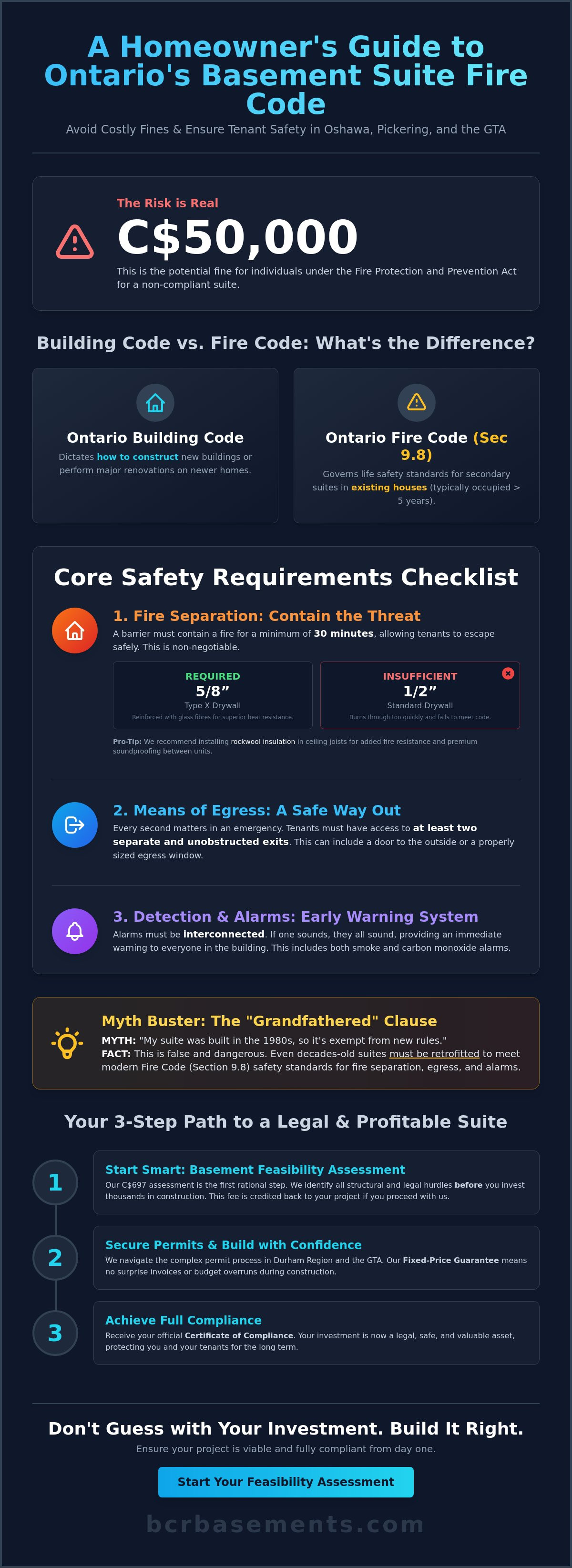
You cannot cut corners on exits. A legal basement apartment requires two distinct ways to leave the building safely. We see many homeowners in Pickering and Ajax try to skip the secondary exit to save on masonry costs. That is a mistake that voids your insurance and puts lives at risk. Every suite must comply with the Ontario Building Code to be considered a legal dwelling. If a fire blocks the main door, your tenant needs a guaranteed second path to the street. This isn't just about passing an inspection; it's about life safety.
The primary exit must be a direct door to the outside or a fire-rated common hallway. If the exit path passes through a shared area, that space must have a 30-minute fire resistance rating. We ensure the path of travel from the bedroom to the exterior is short and unobstructed. Your tenants shouldn't have to navigate a maze to escape a fire. Every second counts during an emergency in a confined basement space.
The math for a legal egress window is precise. To meet basement apartment fire code requirements Ontario, the window must provide an unobstructed opening of at least 0.35 m² (3.8 ft²). No single dimension can be less than 380mm (15 inches). We often see "hopper" style windows in older Whitby homes. These usually fail inspection because the window sash blocks the exit path even when fully open. If the window opens into a window well, there must be at least 760mm (30 inches) of clearance in front of the window. This allows a person to crawl out and move away from the foundation easily. For homeowners concerned about the security of these accessible openings, Boss Security Screens manufactures high-strength screens that maintain safety while deterring intruders.
If your project involves a shared entrance, the structural logic must be sound. Common areas like laundry rooms or furnace rooms require fire separation from the exit path. You cannot use a garage as an exit route. This is a common request in Markham, but it is illegal due to the risk of vehicle fires and carbon monoxide. Stairs must be at least 860mm wide and equipped with continuous handrails. We verify these dimensions during our $697 Basement Feasibility Assessment to ensure your layout is actually buildable. Our Fixed-Price Guarantee means that if we say a layout works, we stand by that cost without surprise invoices later.
We build with a focus on structural integrity and legal compliance. We don't guess; we plan. This disciplined approach is part of the BCR Promise. We provide a 7-year Defect-Free Guarantee because we know the work is done right the first time. If you want to know if your exits meet the 2026 standards, use the Basement Cost Calculator at bcrdesignbuild.com.
Electrical fires are a leading cause of property loss in Ontario residential rentals. You cannot compromise on wiring when lives are at stake. Basement apartment fire code requirements Ontario mandate that every legal suite passes a rigorous Electrical Safety Authority (ESA) inspection before occupancy. We see many homeowners in Ajax and Pickering try to cut corners by adding circuits to an already strained system. This is a mistake. A legal second suite adds significant load to your home, often requiring a total rethink of your power distribution. We ensure your project starts with a clear understanding of these technical demands through our Basement Feasibility Assessment.
Early detection is the only way to ensure a safe exit. The law requires interconnected smoke alarms on every floor and in every sleeping area. If a toaster catches fire in the basement kitchen, the alarm in the upstairs master bedroom must sound simultaneously. We install hardwired systems to meet this standard. Battery-operated units are no longer sufficient for legal conversions in the GTA. In older homes in Oshawa or Whitby, we often find existing wiring that cannot support interconnection. We fix this by running new dedicated lines. For tenants with hearing impairments, we now recommend strobe light alarms as a safety standard. It is a small investment that provides massive peace of mind.
Carbon monoxide (CO) detectors are equally vital. These must be installed near all sleeping areas and in the furnace room. We don't guess on placement. We follow the 2026 Ontario Building Code to the letter to ensure your tenants are protected from silent threats. Testing these systems is a mandatory part of our delivery process. We verify the signal travels between units before we consider the job done.
A standard 100-amp service is rarely enough for a modern legal basement apartment. You are essentially running two households off one connection. Two stoves, two dryers, and two sets of small appliances will trip breakers daily on an undersized panel. We perform a detailed load calculation for every project in the Durham Region. Most legal conversions require an upgrade to 200-amp service to handle the increased demand safely. In markets like Toronto or Pickering, a professional panel upgrade typically costs between C$3,500 and C$5,500. This is a fixed cost we identify early so there are no surprises later.
Securing your ESA certificate is the final hurdle before your building inspector signs off on the suite. This document proves a licensed electrician performed the work and it meets the Ontario Electrical Safety Code. We handle the entire permit process and coordination with the ESA. Our Fixed-Price Guarantee means the price we quote for your electrical work is the price you pay. We take the financial risk so you don't have to. This structured approach is part of the BCR Promise, ensuring your investment is both legal and functional from day one.
Ready to see if your current electrical system can support a legal suite? Use the Basement Cost Calculator at bcrdesignbuild.com to plan your budget with precision.
Getting your basement legal in Ontario isn't a suggestion; it's a financial safeguard. We move through a rigid three-step process: Planning, Building, and the final Fire inspection. Most contractors guess at these stages. We don't. We start every project with a C$697 Basement Feasibility Assessment. This fee ensures your home actually supports a legal suite before you spend C$80,000 or more. If the project moves forward, we credit that amount back to you. This assessment is a non-negotiable gatekeeper that protects your time and capital from projects that simply won't pass code.
In Oshawa and Whitby, you must register your second suite with the city. This is a separate requirement from your building permit. It's a specific registry that confirms you meet all basement apartment fire code requirements Ontario mandates. Failure to register can lead to fines exceeding C$10,000. Our fixed-price quotes include every step of this compliance. We don't leave you to handle the paperwork alone. The BCR Promise means the price we quote is the price you pay, covering all structural and safety logic required for a legal permit. We don't do surprise invoices.
Permit fees in the City of Toronto often range from C$2,500 to C$4,500. In Durham Region, expect to pay between C$1,500 and C$3,000. These costs are often hidden by contractors offering "free quotes." Those quotes aren't worth the paper they're written on because they ignore the regulatory reality. In 2026, obtaining an occupancy permit takes 4 to 6 months on average. We build this timeline into our schedule. If we're late, our On-Time Guarantee kicks in; we pay you C$1,000 for every week we go over our agreed completion date.
The final inspection is the moment of truth. A city inspector will walk through to verify fire separation, egress windows, and interconnected smoke alarms. Once they sign off, you receive your Certificate of Compliance. This document is your shield. You'll use it to register your suite for tax purposes and, more importantly, to secure proper landlord insurance. Many insurers will deny claims on illegal suites. A legal certificate can actually lower your premiums by proving the unit is built to modern safety standards. Our Defect-Free Guarantee provides a 7-year warranty, ensuring your investment stays compliant and safe long after the inspector leaves. Book a free Planning Call at bcrdesignbuild.com to start your project the right way.
Navigating basement apartment fire code requirements Ontario is about more than just checking boxes for inspectors in Whitby or Ajax. It's about protecting your tenants and securing your financial future. You must ensure fire separations are airtight, exits are unobstructed, and electrical systems meet ESA standards before you ever sign a lease. Cutting corners on these legal requirements is a risk that doesn't pay off when the city gets involved. You need a build that's safe, legal, and profitable.
We don't play games with your budget or your timeline. Our BCR Promise includes a Fixed-Price Guarantee, which means you won't see surprise invoices for code upgrades halfway through the build. We also back our schedule with an On-Time Guarantee that pays you C$1,000 for every week we're late. With a 4.7-star rating across 43 verified Google reviews, we've built our reputation on being the disciplined partner homeowners in the Durham Region trust. Let's get your project started with total certainty.
Book a free 20-minute Planning Call at bcrdesignbuild.com
A separate entrance is not strictly mandatory under the Ontario Building Code, but you must provide a safe secondary means of egress. This typically requires an egress window with a minimum opening of 0.35 square metres and no dimension smaller than 380mm. Most homeowners in Oshawa and Whitby choose a separate entrance anyway to increase property value and tenant privacy. We evaluate your specific exit options during our Basement Feasibility Assessment to ensure your plan is actually legal before you spend a cent on construction.
You can use a shared furnace if you install duct-type smoke detectors or fire dampers in the supply and return air systems. These devices are designed to shut down the furnace fan immediately if smoke is detected, preventing toxic fumes from circulating between units. Meeting basement apartment fire code requirements Ontario often involves these technical HVAC upgrades. We include these specific safety components in our fixed-price fees so you don't face unexpected costs during the final inspection phase.
Bringing a non-compliant basement up to fire code in the GTA typically costs between C$25,000 and C$55,000 depending on the current state of the structure. This price covers essential safety upgrades like interconnected smoke alarms, fire-rated drywall, and proper egress windows. Costs in Toronto or Markham are often on the higher end due to municipal permit fees and specific zoning bylaws. Our BCR Promise ensures that once we provide a quote, that price is locked in, protecting you from the budget creep common with less disciplined contractors.
You generally do not need a sprinkler system for a standard second suite if you achieve the required 30-minute fire separation between the units. This separation is usually created using specific types of drywall and fire-stopping insulation in the ceiling and mechanical chases. If your home's structure makes it impossible to achieve this rating, a sprinkler system might be required as an alternative solution. We help you navigate these trade-offs during the planning phase to keep your project on schedule and within budget.
The City of Toronto can issue an immediate order to comply, which may involve expensive retrofitting or the total removal of the kitchen and tenants. Fines for violating the Fire Protection and Prevention Act can reach C$50,000 for individuals and C$100,000 for corporations. Beyond fines, your insurance provider will likely deny any claims related to a fire in an unregistered suite. We prioritize legal compliance and structural logic to protect your long-term investment and provide total peace of mind.
No, you cannot use a portable ladder to meet the secondary egress requirements in Ontario. The path to the outside must be permanent and easily accessible to all occupants, including children or those with limited mobility. Egress windows must be able to maintain their required opening without the use of tools or special knowledge. We've seen many homeowners in Ajax and Pickering lose money because they followed bad advice from unlicensed handymen on this specific rule. Book a free Planning Call at bcrdesignbuild.com to discuss the right way to handle your exits.
Your property taxes in the Durham Region will likely increase because a legal second suite adds significant value to your home assessment. MPAC typically re-evaluates the property once the building permit is closed and the unit is registered with the municipality. While the tax increase is a reality, the rental income from a legal suite usually covers the additional cost many times over. Use the Basement Cost Calculator at bcrdesignbuild.com to see if the potential ROI justifies the initial investment and ongoing tax obligations.
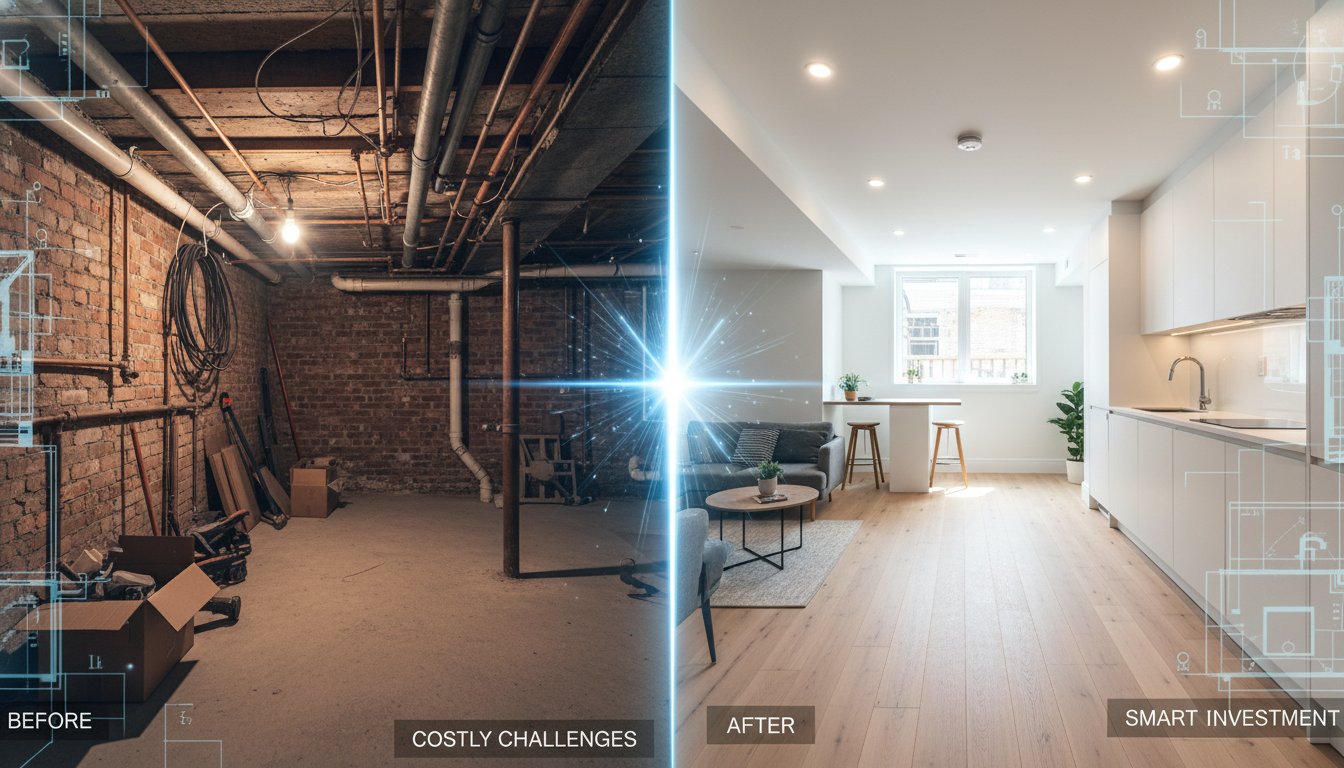
A "cheap" quote is the most expensive mistake you can make when building a secondary suite in the GTA. You already realize that a rental unit is the...
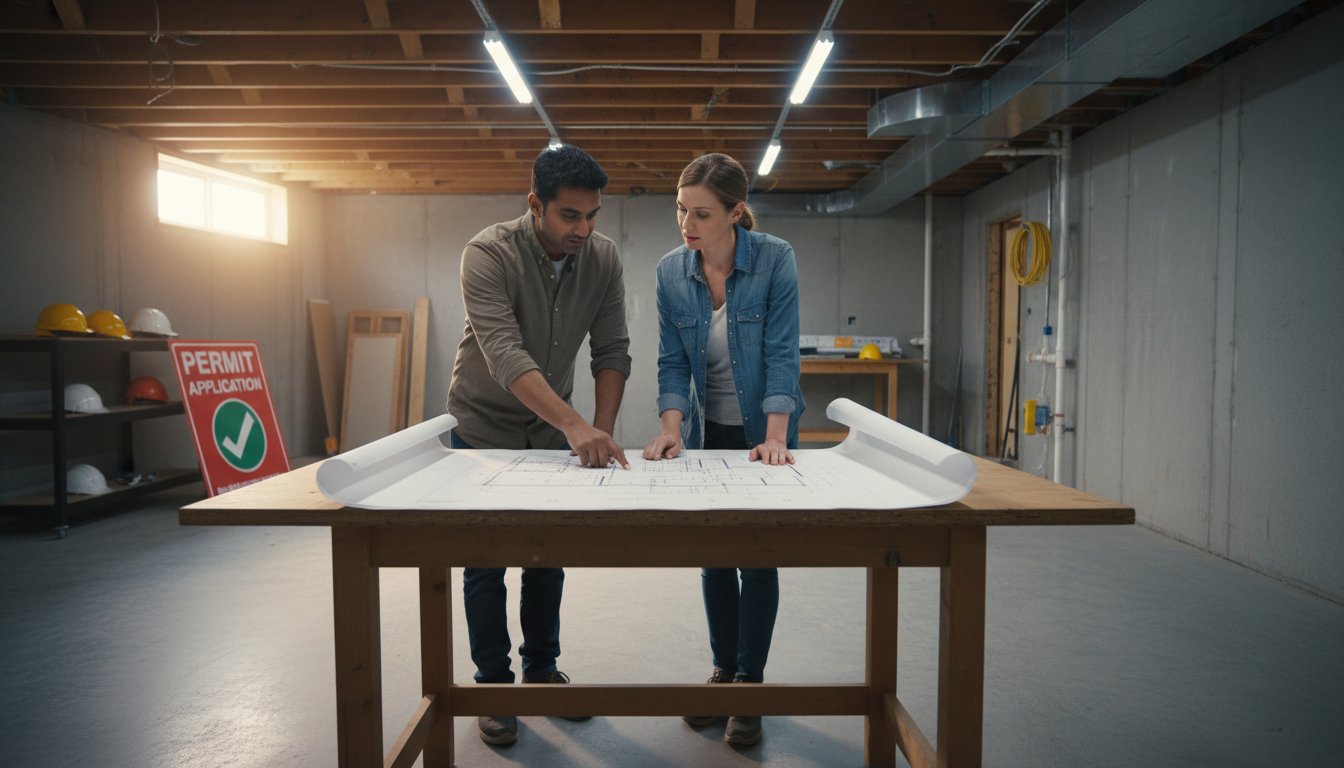
Why would you risk a C$100,000 investment on a renovation that the City of Pickering could shut down after a single anonymous complaint? Most...
Most basement renovation quotes in the GTA are designed to get a signature, not to finish the project. You're likely asking how much does it cost to...